Understanding Unicorn Dingbat: A Practical Guide for Designers and Creatives
When you are assembling visual assets for a project, every element contributes to the overall tone and message. Among the many stylistic choices available, the Unicorn Dingbat has emerged as a distinctive option for those seeking whimsy without sacrificing clarity. But what exactly is it, and how does it compare with other decorative approaches? This article explores the utility, tradeoffs, and decision factors surrounding the Unicorn Dingbat so you can determine whether it fits your creative needs.
What Is Unicorn Dingbat and What Makes It Distinct?
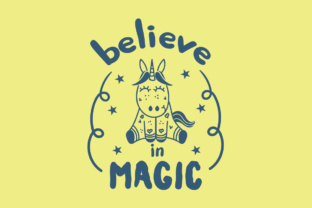
A Unicorn Dingbat is a typographic ornament or decorative symbol that typically features a unicorn motif rendered in a stylized, often minimalist or illustrative manner. Unlike standard typographic characters, a dingbat serves as a visual accent rather than a functional letter or number. The unicorn variant adds a layer of fantasy and playfulness while remaining structured enough to integrate into layouts, headers, bullet lists, or branding elements.
What sets the Unicorn Dingbat apart from generic ornamental symbols is its combination of narrative symbolism and visual adaptability. Unicorns carry cultural associations with magic, rarity, and individuality. When rendered as a dingbat, that symbolism is compressed into a compact, repeatable graphic that can be used in a variety of contexts—from wedding invitations and children's materials to boutique branding and editorial design. The distinctiveness lies not just in the subject matter but in how the symbol balances detail with scalability. A well-crafted Unicorn Dingbat retains recognizability even at small sizes, which is a crucial quality for functional typographic decoration.
Evaluating the Strengths of Unicorn Dingbat
One of the primary advantages of working with a Unicorn Dingbat is its efficiency as a visual cue. Instead of sourcing a separate illustration or icon, you can embed the dingbat directly into your text flow or layout. This integration reduces file clutter and keeps your design system cohesive. For projects that require repeated motifs—such as chapter dividers, list markers, or accent elements—the Unicorn Dingbat provides consistency without requiring custom artwork each time.
Another strength is its emotional resonance. The unicorn motif tends to evoke positive, imaginative responses. In contexts where you want to soften a brand's tone or add a touch of wonder, the Unicorn Dingbat can signal creativity and approachability. This is especially useful for audiences in the 20–50 age range who appreciate subtle nods to fantasy without feeling overtly childish. The dingbat can serve as a bridge between professional design and playful personality.
Finally, the Unicorn Dingbat often comes as part of a larger dingbat font set, meaning you gain access to a family of related symbols. This enables you to mix and match motifs while maintaining a unified visual language. If you are building a brand identity or a themed publication, having a cohesive set of dingbats reduces decision fatigue and speeds up the design process.
Tradeoffs and Limitations to Consider
While the Unicorn Dingbat offers clear benefits, it also comes with limitations that may affect your project's effectiveness. One notable tradeoff is contextual appropriateness. Not every audience or medium responds well to fantasy motifs. In corporate reports, legal documents, or highly formal publications, a Unicorn Dingbat may feel misaligned with the tone, potentially undermining credibility rather than enhancing it. The same whimsy that works for a children's book or a creative agency might feel out of place in a financial newsletter or a medical brochure.
Scalability can also present challenges. While well-designed dingbats hold up at common text sizes, some Unicorn Dingbat variations lose definition when scaled down significantly. Fine details like the horn or mane may become muddy, especially in low-resolution digital environments. Conversely, enlarging the dingbat too much may reveal imperfections in the vector paths or stylistic inconsistencies. It is essential to test the dingbat across the sizes and formats you plan to use before committing.
Another limitation is recognition. Not everyone immediately identifies a unicorn motif, especially if the dingbat is highly abstract. If your goal is clear communication—for example, using the dingbat as a bullet point to indicate a specific category—the symbol may fail if viewers cannot decode its meaning quickly. In such cases, a more conventional icon might perform better.
Comparing Unicorn Dingbat with Alternative Approaches
When evaluating the Unicorn Dingbat against other decorative options, it helps to consider what each approach prioritizes. One common alternative is using standard Unicode symbols or emoji. These are universally recognized, require no font installation, and render consistently across platforms. However, they lack the bespoke quality and thematic specificity of a Unicorn Dingbat. If your project demands a unique visual identity, a standard emoji may feel generic.
Another alternative is commissioning custom illustrations. Custom art provides complete creative control and can be tailored to your exact specifications. It also allows for richer detail and color. The tradeoff is cost, time, and scalability. Custom illustrations are not as easily repeated or embedded into text flows as dingbats. For projects that need a recurring motif, the Unicorn Dingbat is far more practical and cost-effective than commissioning multiple variations of a custom unicorn icon.
A third option is using clip art or stock vectors. These are readily available and often inexpensive, but they come with licensing constraints and stylistic inconsistency. A Unicorn Dingbat, especially one from a curated font family, typically offers cleaner integration with typography and a more cohesive aesthetic. Stock vectors may also lack the precise kerning and alignment properties that make dingbats behave like true typographic elements.
Ultimately, the choice between a Unicorn Dingbat and these alternatives depends on your priorities: if you value consistency, efficiency, and thematic resonance, the dingbat is a strong candidate. If you need maximum recognition, custom detail, or absolute tonal neutrality, other options may serve you better.
When Unicorn Dingbat Is the Right Choice
The Unicorn Dingbat shines in projects where the audience appreciates creativity and a lighthearted touch. Consider using it for:
- Branding for creative industries: Design studios, illustration agencies, or lifestyle brands that want to communicate imagination and individuality.
- Event materials: Wedding stationery, birthday invitations, or themed party signage where the unicorn motif reinforces the event's character.
- Children's and educational content: Books, worksheets, or classroom resources that benefit from playful visual cues without overwhelming the text.
- Editorial design: Magazines or blogs that use section breaks, pull quotes, or decorative dividers to enhance readability while adding personality.
- Social media graphics: Posts or stories that need a distinctive yet compact visual element that stands out in a crowded feed.
In these contexts, the Unicorn Dingbat functions as more than decoration—it becomes a signature element that reinforces the overall theme. When used consistently across a project, it builds visual memory and emotional connection with the audience.
When You May Need Another Option
There are also clear situations where the Unicorn Dingbat may not be the best fit. If your project requires absolute neutrality or targets a highly conservative audience, a plain bullet point or a geometric symbol will likely serve better. Similarly, if your design relies on high-resolution imagery or complex color gradients, a dingbat's monochrome or limited-color nature may feel restrictive.
Another scenario is when accessibility is a primary concern. Dingbats, especially abstract ones, may not be interpreted correctly by screen readers or assistive technologies. If your content must be fully accessible, consider using a text-based alternative or providing an aria-label that describes the symbol's function. In such cases, the Unicorn Dingbat can still be used decoratively, but it should not carry critical navigational or informational weight.
Finally, if your project demands a high degree of originality, a dingbat from a pre-made font may feel too common. Many designers use the same popular dingbat sets, and your carefully chosen unicorn motif might appear in other projects. If uniqueness is paramount, custom illustration remains the safer route.
Practical Decision Factors
Before integrating a Unicorn Dingbat into your work, weigh these practical factors:
- Audience expectations: Will your audience interpret the unicorn symbol as playful, creative, or out of place? Run a quick test with a sample group if possible.
- Format and medium: Will the dingbat be used primarily in print, web, or video? Each medium imposes different resolution and scaling constraints.
- Frequency of use: How often will the dingbat appear? If it needs to be repeated many times, consistency becomes a major asset.
- Integration with existing assets: Does the dingbat's style align with your other typography, colors, and imagery? Mismatched aesthetics can create visual dissonance.
- Licensing and file type: Ensure the dingbat font or set you choose allows for commercial use and is available in formats compatible with your design software.
By evaluating these factors upfront, you reduce the risk of investing time in an element that ultimately needs to be replaced.
Making a Confident Decision
The Unicorn Dingbat is not a universal solution, but it does offer a distinctive blend of whimsy, efficiency, and thematic coherence that few other decorative options provide. For designers and content creators who value personality within structure, it can be a powerful addition to the toolkit. The key is to match the dingbat to the context, test it thoroughly, and stay aware of its limitations.
When you approach the decision with clarity about your audience, your medium, and your goals, the Unicorn Dingbat can elevate a project from ordinary to memorable. And when the context demands something more neutral or custom, you will have a clear rationale for choosing an alternative. In either case, the choice becomes intentional rather than accidental—and that is the hallmark of thoughtful design.