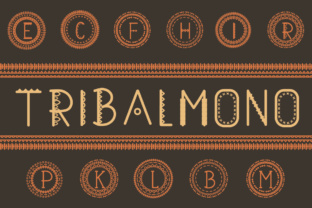
Tribalmono: The Art of Monochrome Tribal Design in Modern Visual Storytelling
In a world saturated with color, there is something arresting about restraint. Tribalmono is a design philosophy that strips away chromatic complexity to focus on the raw power of pattern, contrast, and texture. It blends the rich symbolic language of tribal art with the disciplined palette of monochrome — black, white, and every shade of gray in between. Whether you are a creator exploring new aesthetics, a business owner crafting a brand identity, or simply someone drawn to minimalism with meaning, understanding Tribalmono can open doors to a visual approach that feels both ancient and strikingly contemporary.
What Is Tribalmono? A Definition beyond Aesthetics
At its core, Tribalmono is a visual style that marries tribal-inspired motifs — such as geometric repeats, organic linework, dot patterns, and symbolic shapes — with a monochromatic color scheme. Unlike traditional tribal art, which often relies on bold earth tones or vibrant pigments, Tribalmono uses contrast and negative space as its primary storytelling tools. The result is a look that is bold yet refined, intricate yet cohesive.
This style is not merely decorative. It carries the narrative weight of the patterns it borrows from, while the monochrome palette adds a layer of modernity and versatility. For designers and artists, Tribalmono offers a way to honor cultural visual traditions without appropriating color palettes that may carry specific meanings in their original contexts. It is, in many ways, a respectful reinterpretation that prioritizes form and composition.
The Origins and Evolution of Tribalmono
The term Tribalmono may be relatively new, but the instincts behind it are not. Tribal patterns have been used for millennia across continents — from the intricate ta moko of Māori culture to the geometric scarification of West African tribes, from Native American textile patterns to the dot paintings of Aboriginal Australians. These visual languages were never arbitrary; they communicated status, lineage, spirituality, and identity.
The monochrome movement, meanwhile, has roots in everything from early photography to modernist architecture. By combining these two streams, Tribalmono emerged as a conscious design choice for those who wanted the depth of tribal symbolism without the noise of color. Early adopters were often found in tattoo studios, where blackwork tribal designs have long been a staple. Over time, the style migrated into graphic design, interior decor, fashion, and digital media.
Today, Tribalmono is recognized as a distinct aesthetic category. It is taught in design workshops, featured in portfolios, and used by brands that want to communicate strength, heritage, and clarity all at once.
Key Characteristics of Tribalmono
To understand whether Tribalmono is right for your project, it helps to recognize its defining traits. These are the elements that set it apart from other minimalist or tribal styles.
- High contrast — Strong interplay between black, white, and gray creates visual tension and draws the eye to specific areas of the composition.
- Repetitive geometry — Triangles, chevrons, concentric circles, and staggered lines form the backbone of most Tribalmono designs.
- Negative space as active element — Empty areas are not background; they are part of the pattern. This makes Tribalmono especially effective in logo design and branding.
- Symbolic intent — Patterns often represent concepts like protection, journey, unity, or nature, even when rendered only in monochrome.
- Scalability — Because Tribalmono relies on line and shape rather than color gradients, it scales beautifully from a small app icon to a large wall mural.
Where Tribalmono Shines: Real-World Applications
Tribalmono is not confined to one medium. Its adaptability makes it a strong choice across many fields. Below are several scenarios where this style delivers real value.
Brand Identity and Logo Design
Brands that want to project durability, tradition, and simplicity often turn to Tribalmono. A monochrome tribal logo prints cleanly on everything from business cards to shipping boxes. It works in one-color printing, embroidery, and laser engraving without losing detail. Small businesses, fitness brands, outdoor gear companies, and cultural organizations have all used Tribalmono to create memorable marks that stand out in a crowded marketplace.
Fashion and Apparel
Streetwear and contemporary fashion have embraced Tribalmono for its bold graphic quality. A black-and-white tribal pattern on a t-shirt or hoodie reads as edgy yet intentional. Unlike full-color prints that can feel trend-driven, Tribalmono has a timeless appeal. It pairs well with other monochrome pieces in a wardrobe, making it a favorite among minimalists who still want visual interest.
Interior Design and Decor
From accent walls to throw pillows, Tribalmono patterns add texture without overwhelming a space. In modern interiors that lean toward neutral palettes, a tribal monochrome rug or wallpaper can anchor a room. The lack of color means the pattern itself becomes the focal point, and it blends seamlessly with wood, metal, and concrete materials.
Digital Media and Web Design
Websites and apps that use Tribalmono elements often communicate a sense of craft and authenticity. Hero sections with monochrome tribal patterns can serve as striking backgrounds for typography. Icons and dividers in this style add a handcrafted feel to otherwise clean layouts. Because load times favor simple graphics, Tribalmono is also practical for performance-conscious design.
Tattoo and Body Art
Perhaps the most direct application of Tribalmono is in tattooing. Blackwork tribal tattoos have been popular for decades, but the Tribalmono approach brings intentionality to placement, flow, and symbolism. Many artists now offer custom Tribalmono pieces that follow the body's contours while telling a personal story through abstract pattern.
Who Benefits from Using Tribalmono?
Tribalmono is not for every project, but it serves a wide range of users well. Here is a breakdown of who might find the most value in this style.
- Designers and artists — Whether you work in graphic design, illustration, or textile design, Tribalmono provides a structured yet expressive framework. It challenges you to communicate without relying on color.
- Business owners and entrepreneurs — If you are building a brand on a budget, Tribalmono can reduce printing costs while still delivering a professional, distinctive look. It also ages well visually, meaning you will not need to rebrand as often.
- Creatives in fashion and decor — The style's scalability and neutrality make it ideal for collections that need to span seasons. Tribalmono pieces are easy to mix and match with other items.
- Cultural storytellers — For those who want to reference tribal aesthetics in a way that feels respectful and modern, Tribalmono offers a path. It focuses on structural elements that are shared across many traditions, rather than appropriating specific sacred colors.
- Everyday consumers — If you simply appreciate clean, bold design, Tribalmono products and art can bring a sense of intention to your home or wardrobe without clashing with existing items.
Strengths and Considerations of Tribalmono
Like any design approach, Tribalmono has strengths that make it shine and limitations that are worth understanding before committing to it.
Strengths
- Timelessness — Without color trends to date it, Tribalmono stays relevant longer than many other styles.
- Cost efficiency — One-color printing, embroidery, and production are generally less expensive than multi-color processes.
- Versatility — Works across physical and digital mediums with equal impact.
- Focus on craftsmanship — Because there is no color to distract, the quality of line work and composition becomes paramount.
Considerations and Limitations
- Cultural sensitivity — Not all tribal patterns are free to use. Some carry deep spiritual or community significance. Research is essential before adopting motifs from a specific culture.
- Perception of simplicity — Some audiences may view monochrome tribal designs as too minimal or generic if not executed with originality.
- Limited emotional range — Color evokes emotion directly. Tribalmono relies on shape and contrast to do the same, which can feel less warm or inviting in certain contexts.
- Execution matters — Poorly drawn Tribalmono patterns can look cluttered or amateurish. Precision is non-negotiable.
Practical Guidance: Evaluating Tribalmono for Your Project
Before integrating Tribalmono into your work, ask yourself a few key questions. This framework can help you decide whether the style aligns with your goals.
- What is the message? Does your project benefit from a sense of heritage, strength, or structure? Tribalmono communicates these qualities clearly.
- Who is the audience? Will they appreciate the symbolism and restraint of monochrome tribal design, or do they expect more color and warmth?
- Where will it live? If your design needs to work in multiple formats — print, digital, fabric, signage — Tribalmono offers strong consistency across mediums.
- What is your budget? One-color production can save money, but custom pattern development requires skilled labor. Factor in both design and production costs.
- How original is your approach? Avoid generic clip-art tribal motifs. Invest in custom Tribalmono patterns that reflect your specific story or brand values.
Real-World Scenario: A Small Brewery Brand Refresh
Consider a craft brewery that wants to rebrand. Their current logo uses full color and feels dated. They want something that reflects their commitment to traditional brewing methods while looking modern. Tribalmono offers a solution. The brewery adopts a monochrome tribal pattern inspired by grain stalks and hop vines, rendered in black and white. The pattern appears on labels, tap handles, and merchandise. Within months, customers begin associating the bold geometric look with the brewery's reputation for quality. The brand gains recognition on crowded shelves, and the consistent Tribalmono aesthetic ties all their products together visually.
This scenario illustrates how Tribalmono can solve real branding challenges: differentiation, consistency, and storytelling — all without relying on color trends that might feel outdated in two years.
Conclusion: Why Tribalmono Deserves a Place in Your Creative Toolkit
Tribalmono is more than a stylistic choice. It is a thoughtful approach to design that values contrast, pattern, and meaning. In an era where visual noise is everywhere, the discipline of monochrome tribal design offers clarity. It invites viewers to slow down and see the structure beneath the surface. Whether you are designing a logo, decorating a home, commissioning a tattoo, or building a brand, Tribalmono provides a framework that is both grounded and visionary.
As with any design philosophy, success comes from understanding its principles and applying them with intention. When used well, Tribalmono does not just look good — it communicates something lasting. That is the kind of design that people remember.