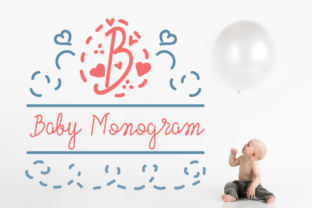
Baby Monogram: Personalizing Gifts and Keepsakes for Little Ones
There is something undeniably special about seeing a baby’s initials stitched, engraved, or printed onto an item meant just for them. A baby monogram transforms an ordinary object into a one-of-a-kind keepsake. It is a simple design choice that carries meaning, memory, and often a bit of family tradition. Whether you are preparing for your own child, shopping for a friend, or creating products to sell, understanding how and why people use baby monograms helps you make better decisions about what to choose, create, or offer.
A baby monogram typically features the initials of the child—first, last, and sometimes middle—arranged in a decorative format. The order can vary by tradition. Some families place the last initial in the center, larger than the others. Others prefer a simple first-name spelling. The design can be classic, modern, whimsical, or minimalist. The choice depends on the item, the occasion, and the family’s taste. What makes it so popular is that it turns a generic product into something that feels personal and intentional.
Where Baby Monograms Make the Most Impact
Baby monograms are not just for birth announcements anymore. They appear on almost anything a child touches, wears, or uses. The most common places include clothing like onesies, bibs, and blankets. But you also see them on nursery decor, such as wall art, crib sheets, and toy bins. Parents often monogram diaper bags, burp cloths, and bath towels. The idea is to create a cohesive look for the nursery while also making items easy to identify at daycare or family gatherings.
Gift givers love monogrammed items because they show extra thought. Instead of picking a generic baby gift, a monogrammed blanket or romper signals that you took time to personalize it. This is especially true for baby showers, where the guest of honor often receives multiple versions of the same item. A monogrammed gift stands out. It feels more intentional and less likely to be returned or regifted.
Photographers and content creators also use baby monograms as props. A simple monogrammed blanket or onesie can anchor a photo session or video. It adds a custom element that makes the images feel more polished and personal. For family blogs or social media accounts that focus on parenting, including a baby monogram in a post can subtly reinforce a brand identity.
Practical Scenarios for Everyday Use
Think about a parent dropping off their infant at daycare. The center asks for labeled bottles, pacifiers, and sleep sacks. A baby monogram eliminates the need for sticky labels that peel off or wash away. It is permanent, easy to read, and adds a touch of charm to everyday essentials. This is one of the most practical reasons families invest in monogrammed gear. It saves time and reduces confusion, especially in group settings like playgroups or family reunions.
Another scenario involves hand-me-downs. A monogrammed item that stays in the family can be passed from one sibling to the next. Some families choose to add the child’s initials in a subtle spot so the item can still be reused later. Others prefer to monogram outer layers like jackets or backpacks that get used for years. Over time, these items become part of the family’s history. They carry memories that a plain store-bought item never could.
Small business owners often incorporate baby monograms into their product lines. If you sew, embroider, or craft, offering monogram options can set your shop apart. Customers searching for baby shower gifts tend to browse for personalized items first. By listing monogram-ready products, you tap into a motivated buyer who is already looking for something that feels unique. Even digital products, like printable nursery art, can include editable monogram fields for parents to customize at home.
Keepsakes and Milestone Moments
Beyond daily use, baby monograms appear in milestone contexts. Christening gowns, baptism outfits, and special occasion dresses often feature initials or full names. These are garments meant to be preserved. A monogram adds a layer of sentimentality that makes the item more likely to be saved for future generations. Parents sometimes monogram a small item for each birthday, creating a collection that grows as the child does. A monogrammed ornament for the first Christmas, a monogrammed book for the first birthday, or a monogrammed backpack for the first day of preschool—each piece marks a moment in time.
Grandparents are among the most enthusiastic buyers of baby monogram products. For them, a monogrammed gift is a way to feel closer to a grandchild who may live far away. They often order items with the baby’s name or initials embroidered in their favorite color. The emotional connection is real. The monogram becomes a symbol of the relationship, not just a decoration.
Entrepreneurs in the baby market can build entire product lines around this concept. If you sell on platforms like Etsy or at local craft fairs, offering custom monogramming is a straightforward way to increase perceived value. Items that would normally sell for a lower price can command a premium when personalized. The key is to make the ordering process simple. Clear options for font, color, and placement reduce errors and returns. Many successful sellers display photos of completed monogram projects so customers can see exactly what they are getting.
What to Consider Before Choosing a Baby Monogram
Not every monogram works for every item or every baby. The material matters. Soft fabrics like cotton or bamboo take embroidery well, but stretchy materials like jersey can warp the design. Engraving works best on wood, metal, or plastic. If you are ordering for a newborn, consider how the item will be washed. Monograms that are heat-pressed or ironed on may fade over time, while embroidered ones tend to last longer if the stitching is tight and the thread is high quality.
Size and placement also affect the final look. A large monogram on a small onesie can look overwhelming. A tiny monogram on a big blanket might feel like an afterthought. Look at the dimensions of the item before deciding. Center placements are classic, but off-center or corner placements can give a more modern feel. Some parents prefer subtle monograms on the inside of a garment, visible only when the item is turned inside out. Others want the initials bold and visible on the front.
Typography matters more than many people realize. A script font conveys elegance and tradition. A block font feels clean and contemporary. A playful font with rounded letters suits a child’s personality. If you are creating monograms for others, offer a range of font styles so customers can match the look to their taste. Avoid fonts that are difficult to read or that distort at small sizes.
Color coordination is another factor. White or cream monograms on pastel fabrics are classic. High-contrast colors like navy on white or gold on gray make the initials stand out. Some parents match the monogram color to the nursery theme or the family’s favorite color. If you are making or selling monogrammed items, consider sticking to a palette of colors that work with most backgrounds. Offering too many color choices can overwhelm buyers, while a curated selection helps them decide faster.
How Different Users Benefit from Baby Monograms
Parents gain convenience and sentiment. A monogrammed item reduces mix-ups and becomes a treasured keepsake. Marketers and content creators gain visual appeal and brand consistency. A custom monogram in a blog post or video thumbnail can attract viewers who appreciate intentional design. Bloggers who write about parenting, baby gear, or DIY projects often share tutorials on how to monogram items at home. This content tends to perform well because it combines a practical skill with emotional payoff.
Educators and childcare providers use monograms to organize supplies without relying on disposable labels. A monogrammed cubby tag or nap mat is durable and easy for even young children to recognize. Freelancers and hobbyists who sew or design can turn their skills into a side business by offering monogramming services. The upfront investment is low, and the potential for repeat customers is high. Parents who order one monogrammed item often come back for more as the child grows and their needs change.
Everyday users benefit from the longevity and emotional value of monogrammed goods. A baby blanket that carries a child’s initials often becomes a comfort item that stays with them for years. It is not unusual for a monogrammed stuffed animal or pillow to be kept well into childhood and beyond. The item becomes part of the child’s identity, not just a generic product. This emotional durability is something that mass-produced items rarely achieve.
Final Observations on Choosing Baby Monograms
The best baby monograms strike a balance between personalization and practicality. They are not overly ornate or hard to read. They fit the item they decorate and the lifestyle of the family using them. Before buying or creating a monogrammed product, think about who will use it, where it will live, and how long it needs to last. A monogram for a formal christening gown will differ from one on a everyday bib. Each context calls for a different approach.
If you sell baby monogram products, listen to your customers. They will tell you what they want through their purchases and feedback. Use that information to refine your offerings. If you are a parent or gift giver, trust your instincts. The monogram you choose does not have to follow trends. It just has to mean something to the person receiving it.
Baby monograms have been around for generations, and they are not going anywhere. They adapt to new materials, new fonts, and new products, but the core idea stays the same: a small personal touch that says this item was chosen with care. Whether you are stitching initials into a blanket, engraving them on a sippy cup, or printing them on nursery decor, you are adding value that goes beyond the physical object. That is why people keep coming back to them, and why a well-made baby monogram remains one of the most reliable ways to make any gift or product feel truly complete.